What have been some of the most valuable lessons you’ve learned about the business side of being an artist, from publishing to promotion?
I’ve learned that believing in the message behind your art is the best fuel. When something feels true and necessary, it’s easier to push through the complicated business side. Publishing and promotion are no longer optional skills. You need to know how to protect your work and how to make sure it reaches the people who need it. Passion is what drives the art, but strategy is what gives it a platform.
What role does data or analytics play in your decision-making process when releasing or promoting your music?
Data helps me understand who I’m connecting with and where the story is resonating. I use it to guide my promotional efforts, but never to change my core message. With Speechless, I knew exactly what I wanted to say. Analytics helped me figure out how to get that message to more people, but it never dictated the message itself.
How do you envision growing your presence globally, and are there specific markets or audiences you’re intentionally targeting?
I want to reach people who feel unseen. That’s my priority. Especially queer individuals in environments that make it hard to live freely. I grew up in the Czech Republic and spent over a decade in the Middle East. That shaped a part of me that needed to be broken open. I think there are so many people out there who are living a version of that story and my hope is to reach them.
How do you approach release strategy? Do you think in terms of singles, albums, or long-term storytelling?
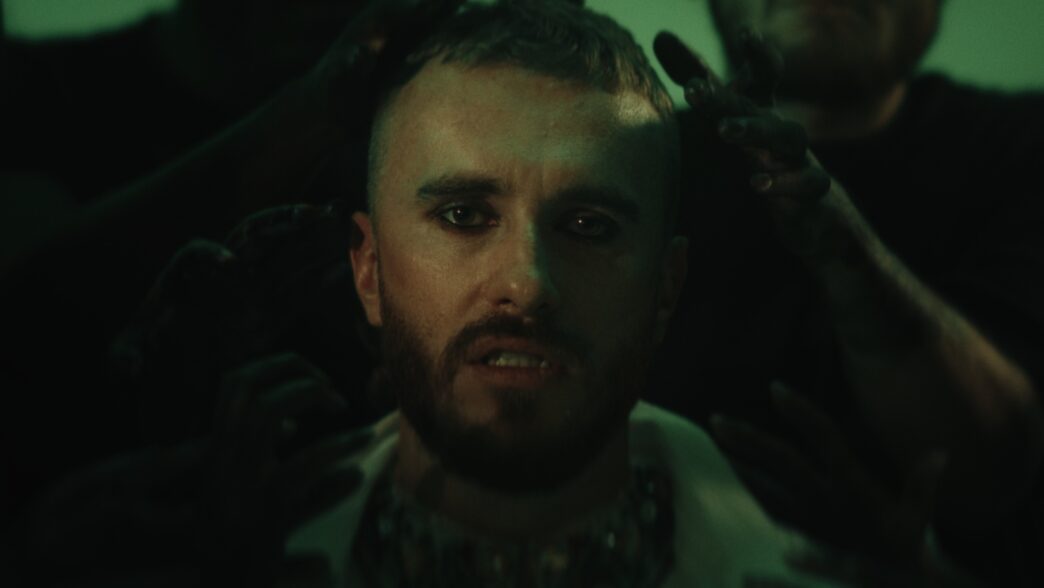
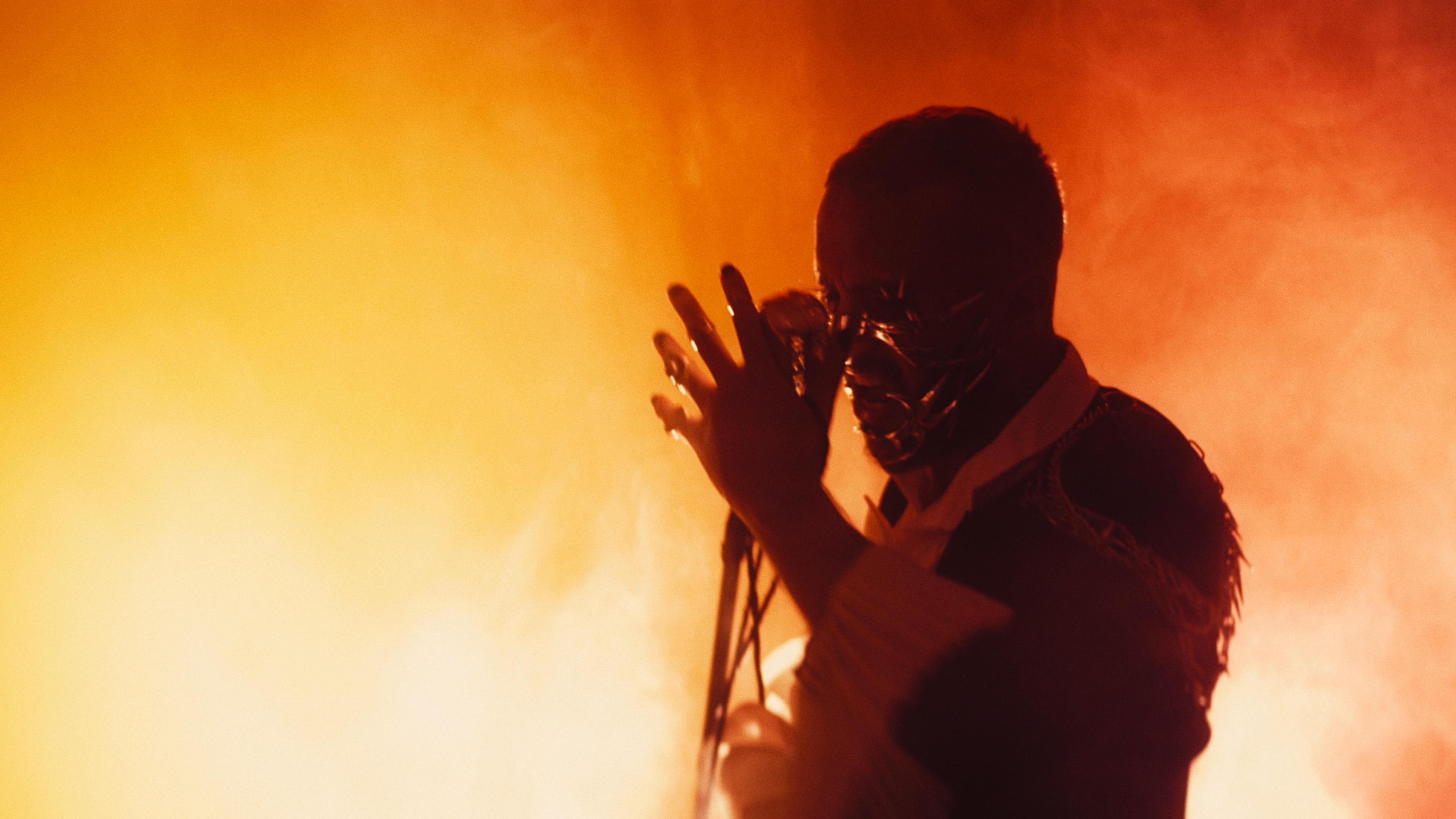
I think in storytelling. Always. Speechless is not just a song. It’s a message. It’s a goodbye letter to a version of myself that was shaped by the limitations around me. The release was part of a bigger emotional and visual journey. Even the visuals were chosen with care to support that story. Whether it’s a single or an album, the goal is to build something meaningful that stays with people.
Tell us about your studio setup. From hardware to software, what tools do you swear by, and what do you prioritize in your sound design?
The most important tool is understanding. I worked with a friend who composed the music for Speechless and knows my vocal range intimately. The goal wasn’t to chase trends or fill the track with effects. It was to support the emotion of the lyrics with music that breathes. I prioritize sound that allows space for the story to be felt.
When building a track from scratch, what usually comes first for you: the concept, the melody, or the beat? Walk us through your workflow.
The concept always comes first. I have to feel something deeply. With Speechless, it started with this overwhelming need to express something that had been building inside. Once I knew what I needed to say, the lyrics followed. My collaborator then built the music around that emotion and my vocal strength. It was a true creative partnership.
Which elements—melodic, lyrical, or production-wise—do you see as signature traits in your music?
Lyrically, I lean into truth and emotion. I come from a musical theater background, so storytelling is at the heart of everything I do. Vocals are key, and I like melodies that build with intention. Production-wise, I prefer space over clutter. The message is the focus, and everything else supports it.
How would you define your unique sonic identity in today’s crowded music landscape?
I would call it theatrical emotional pop with purpose. It’s rooted in musical theater, which is my passion and strength. Everything I create aims to tell a story that matters, both personally and collectively. It’s a mix of raw vulnerability and clear intention. I want to move people. I want to say something that stays with them.
As the industry shifts rapidly, how do you balance authenticity with staying current or on trend?
I focus on what needs to be said. If it aligns with what’s happening around me, great. But my main goal is to speak from the truth I know. When you create from that space, it connects. Trends fade, but authenticity stays in people’s hearts.
What do you look for in a creative partner, whether it’s a producer, writer, or visual artist?
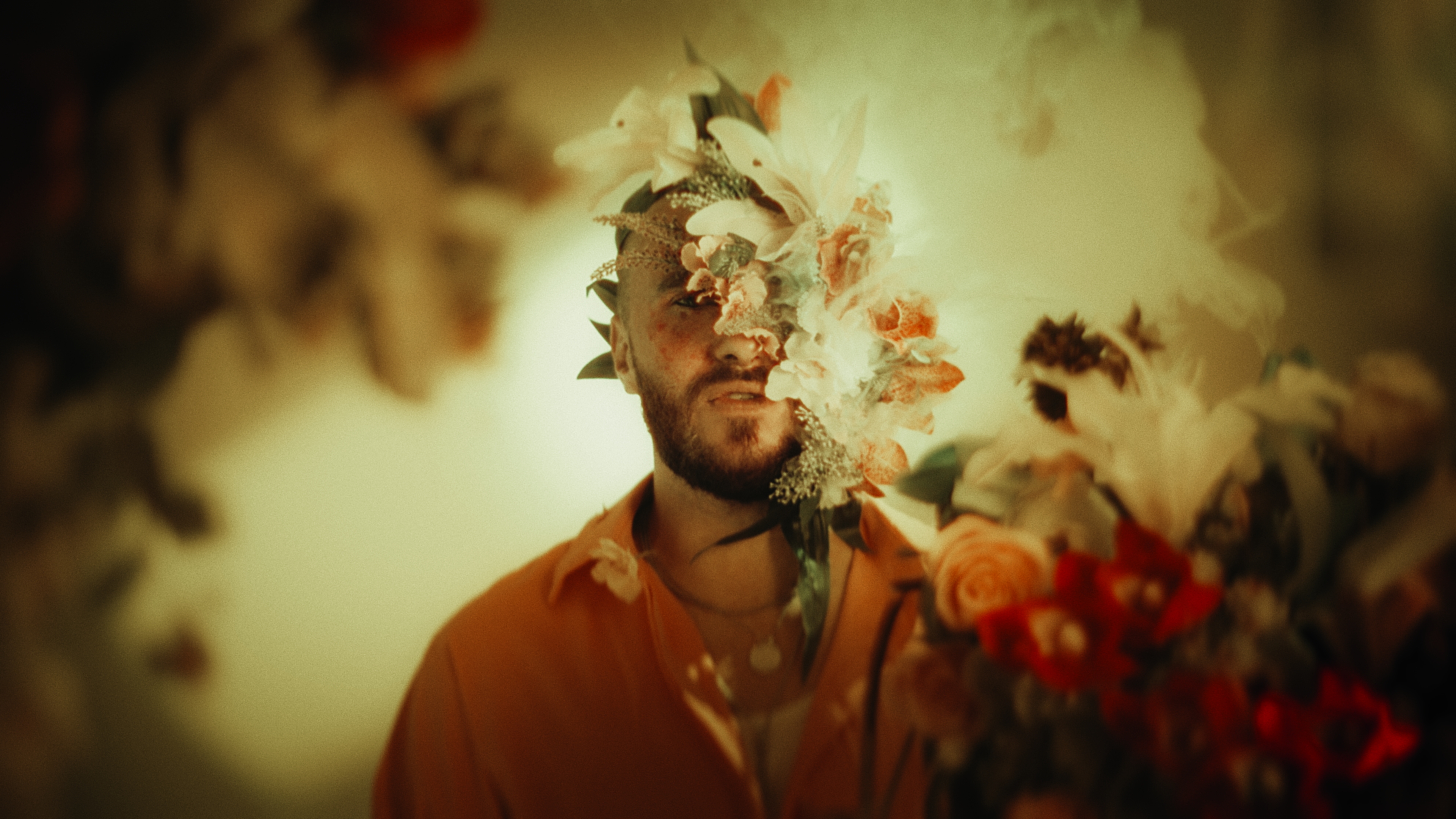
I look for people who are on the same page emotionally. For Speechless, I worked with close friends who understood what I was trying to say and why it mattered. Jay, who directed the music video, is someone who believes in my vision and helped bring it to life with integrity and care. Every person on that team was there because they believed in the message. That kind of alignment is everything to me.
How do you stay creatively inspired during times when motivation is low or results don’t meet expectations?
In the past, I made songs just to make something. Now, my approach is different. I only create when it feels like the message needs to come out. With Speechless, it was something bubbling inside that had to be released. The feedback reminded me that it helped others too, not just me. That’s what keeps me inspired. Even if one person sees themselves in the work, it was worth doing.
What’s one insight you wish every emerging artist knew before stepping into the industry?
Create for the right reason. Don’t chase trends or approval. Tell the story that only you can tell. When it comes from a place of truth, it will find its audience. It may take time, but the impact will be real.